BioCarbon
BioCarbon is nothing but the carbon is comprised of natural renewable ( Organic Sources). Biocarbon is often called charcoal and is as such familiar to most people, as it is frequently used for cooking and barbequing. Biocarbon is a blend of biochar and premium organics that is researched to be the best product out on the market. It is a natural and sustainable product and helps trees thrive by improving the efficiency of the soil. Additionally, when buried in the soil and used as a soil enhances, the product actually becomes "Carbon-Negative". This can help combat global climate change by displacing fossil fuel use and by sequestering carbon in stable soil carbon pools. This process will not only improve the health of the trees, but also the overall environment. Before further matter on biocarbon. Brush up the classification of biomass for our references.

Biomass Classification

Virgin Biomass : This biomass includes all naturally occurring terrestrial plants such as trees, bushes and grass.
Waste Biomass : This is produced as a low value byproduct of various industrial sectors such as Agriculture (Corn stover, sugarcane bagasse , straw, etc.) and forestry (saw mill and paper mill discards)
Energy Crops : This crops are generally with high yield of biomass produces to serve as a raw material for production of second generation biofuel (eg: elephant grass)
How Bio carbon is made
Biocarbon results from a thermal conversion process in which the virgin biomass (eq. wood is heated to certain temperature, losing a major part of its volatile content, hence increasing the carbon content. The thermal treatment results in a product that has lost the fibrous structure of the virgin biomass and which can be directly used as a reductant in metallurgical industry or for cooking and barbecuing, it can be easily and energy efficiently crushed to powder and if wished for further compressed into briquettes or pellets.
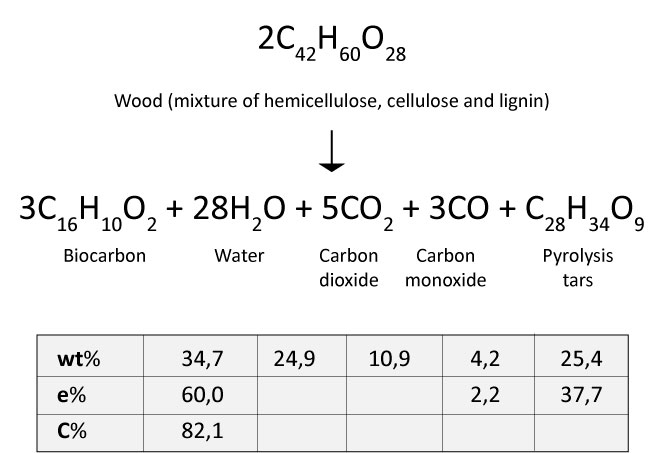
Biocarbon is not the same as torrefied material. Torrefaction is a lower temperature thermal process with the aim of upgrading a virgin biomass to a torrefied material, which also can be easily crushed to powder and turn into pellets. These pellets can be transported over long distances for the large scale co-firing plants with economical rate. It also replace coal and used in powder burners
Hence carbon is more refined and versatile product than torrefied material, with the best fuel qualities that a biomass based solid fuel can have many possible alternative cases.
Biocarbon comparison with Fossil carbon
* Biocarbon is stored in plants, trees, soils and ocean meanwhile fossil carbon present in fossil fuels.
* Biocarbon has less Nitrogen, Sulfur and metal effects
* Burning both carbon, Fossil carbon tends to more carbon emission rather than biocarbon. Since , biocarbon is comprised of renewable source, the emission will not impact the global climate crisis.
* Biocarbon used as Fuel
(i) peak load fuel in existing bioenergy plants
(ii) substitute fuel for boilers
(iii) quality fuel for high efficiency and low emission scale heating appliance and in general for abating operational problems in bioenergy plants.
Key uses
* Permanently improves water holding capacity (a cubic yard of the product holds 150 gallons of water without swelling)
* Decreases leaching of nutrients
* Reduces the use of fertilizers, pesticides and other chemicals
* Decreases pollutants
* Creates a lasting home for beneficial microbes
* Great ability to remove salts from the soil
The use of biocarbon technologies and practices is seen and as a promising approach to reducing greenhouse gas emissions and combusting climate change. By increasing the amount of carbon stored in living organisms and soils. Biocarbon can help to reduce the amount of carbon dioxide in the atmosphere, thereby mitigating the impacts of climate change.


.jpg)

No comments:
Post a Comment